


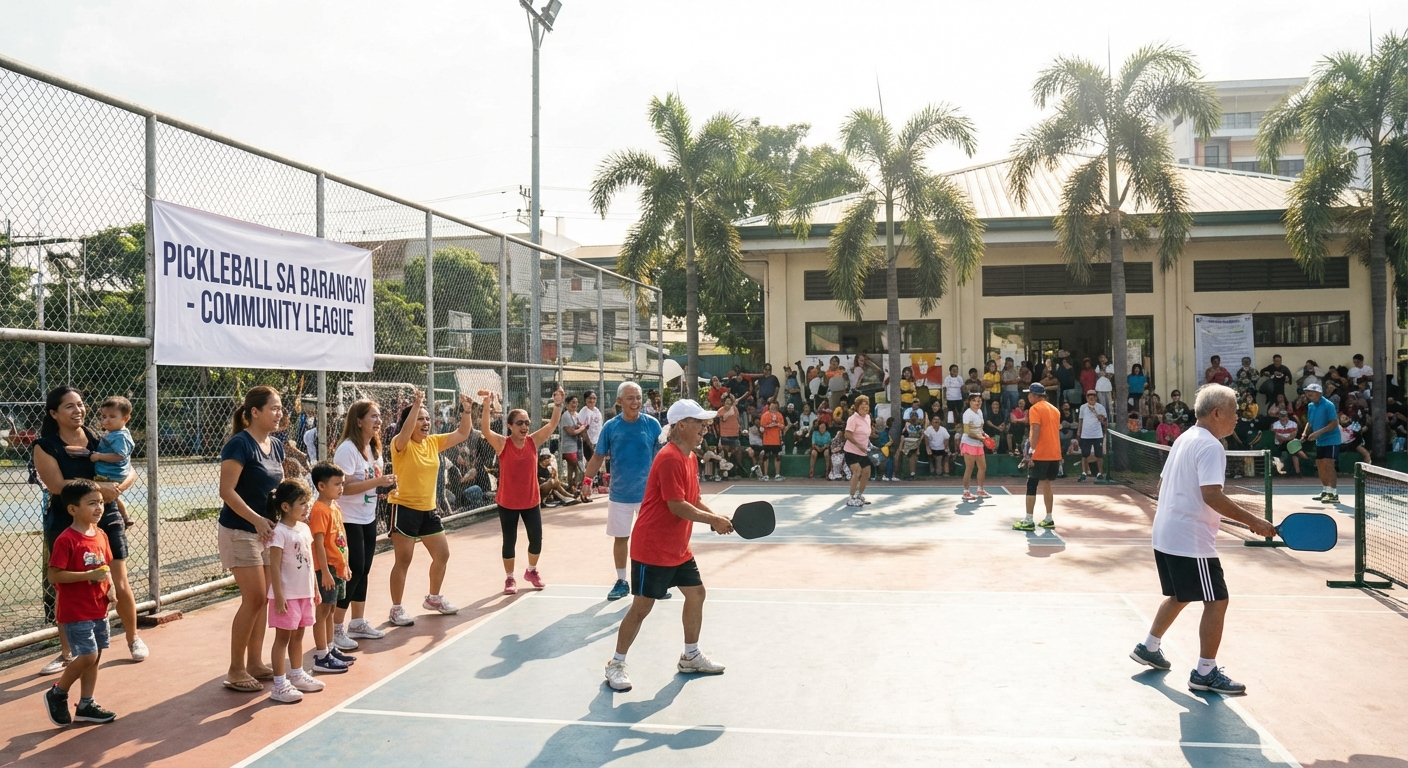
Pickleball, a dynamic hybrid racket sport that combines elements of badminton, tennis, and table tennis, is rapidly capturing global attention, and the Philippines is no exception. A recent report from the Daily Tribune highlights a burgeoning "Pickleball movement" within the archipelago, signalling a significant shift in the nation's recreational landscape. This growing interest is more than just a passing fad; it holds substantial implications for the health, social fabric, and even economic prospects of Filipinos both domestically and for those working abroad. The sport's global appeal stems from its relative ease of learning, making it highly accessible across all age groups and skill levels. Unlike more demanding sports, pickleball's slower pace and smaller court size lower the barrier to entry, encouraging broader participation. For Filipinos, who often value community and social interaction, pickleball offers a new avenue for camaraderie, healthy competition, and inter-generational bonding. Courts are popping up in various locations, from private clubs to public parks, indicating a widespread adoption that could foster a more active and engaged population. Why It Matters The rise of pickleball in the Philippines could significantly impact several sectors. From a public health perspective, increased participation means more Filipinos engaging in regular physical activity, which can combat sedentary lifestyles and improve overall well-being. Economically, this "movement" creates a demand for new sports facilities, equipment sales, and even coaching opportunities, potentially generating new jobs and small businesses. Furthermore, as the sport gains international recognition, the Philippines could position itself as a hub for pickleball tourism, attracting players from around the world and boosting local economies. For overseas Filipino workers, pickleball offers a valuable recreational outlet that can help mitigate stress, build social networks in foreign lands, and maintain physical fitness, reinforcing its role as a global connector. What Filipinos Need to Know Filipinos should recognize pickleball not just as a leisure activity but as a potential platform for community building and personal development. Aspiring entrepreneurs might explore opportunities in building courts, selling equipment, or offering coaching services. Local government units and private organizations are encouraged to support the growth of the sport by allocating spaces and organizing tournaments, thereby maximizing its social and economic benefits. For OFWs, integrating into local pickleball communities abroad can be an excellent way to forge connections, maintain a healthy lifestyle, and find a sense of belonging away from home. The "Pickleball movement" is a testament to the Philippines' readiness to embrace global trends that promote a healthier, more connected, and potentially more prosperous future for its citizens.
Topics: