


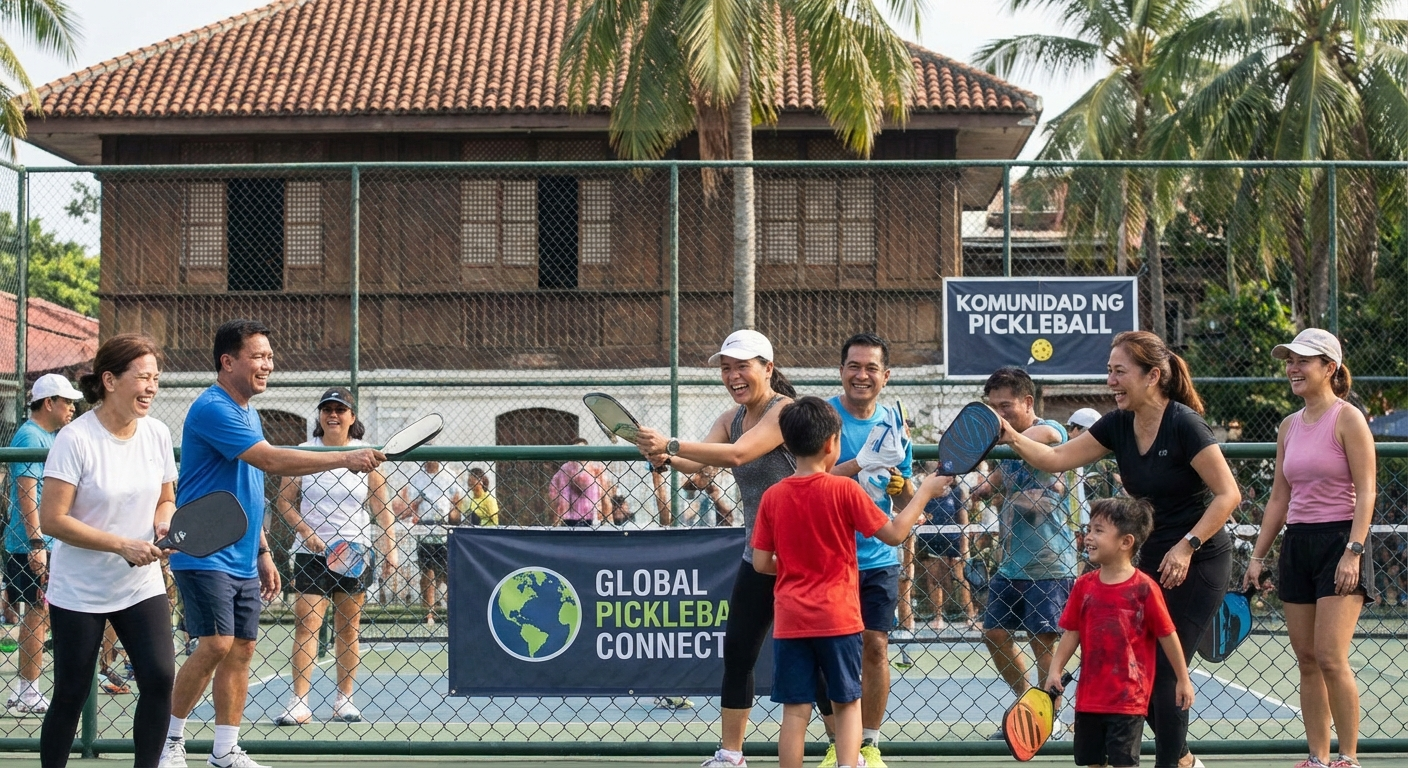
Pickleball, a hybrid racket sport blending elements of tennis, badminton, and table tennis, is rapidly gaining traction across the Philippines. This burgeoning interest is not merely a passing fad, but a structured movement, with a national federation actively pushing for its organized development and wider adoption across the archipelago. The sport's accessibility and low barrier to entry are proving particularly appealing, setting the stage for it to become a mainstream recreational activity. The drive for structured growth, spearheaded by the sport's governing body in the Philippines, aims to professionalize leagues, develop coaching programs, and establish more dedicated playing facilities. This strategic approach intends to ensure sustainable expansion, moving beyond casual play to foster competitive circuits and broader community participation. Such efforts are crucial for any sport seeking to embed itself deeply within the national consciousness and provide lasting benefits to its populace. Why It Matters For Filipinos, both in the Philippines and those working overseas, the rise of pickleball carries significant implications. This accessible sport promotes physical activity, offering a valuable pathway to improved health and well-being, which is essential for busy individuals and families. Moreover, it provides a powerful platform for community building. As courts and leagues become more prevalent, Filipinos can connect, foster social bonds, and reduce stress—whether they are returning residents looking for engaging activities or OFWs seeking camaraderie in their host countries. The development also opens potential economic avenues, from sports equipment retail and court construction to coaching opportunities and event management, contributing to local economies and offering alternative livelihoods. What Filipinos Need to Know Filipinos should be aware that this structured growth means more than just new courts; it signifies an emerging ecosystem around the sport. Expect to see increased availability of public and private courts, organized tournaments, and accredited training programs. This makes pickleball an ideal, inclusive activity for all ages and skill levels, promoting active lifestyles within families and across generations. For overseas Filipino workers, understanding this trend can provide a familiar and engaging pastime upon their return home, or even inspire the formation of Filipino pickleball clubs in their current locations, creating vibrant communities centered around shared passion for the sport.
Topics: