

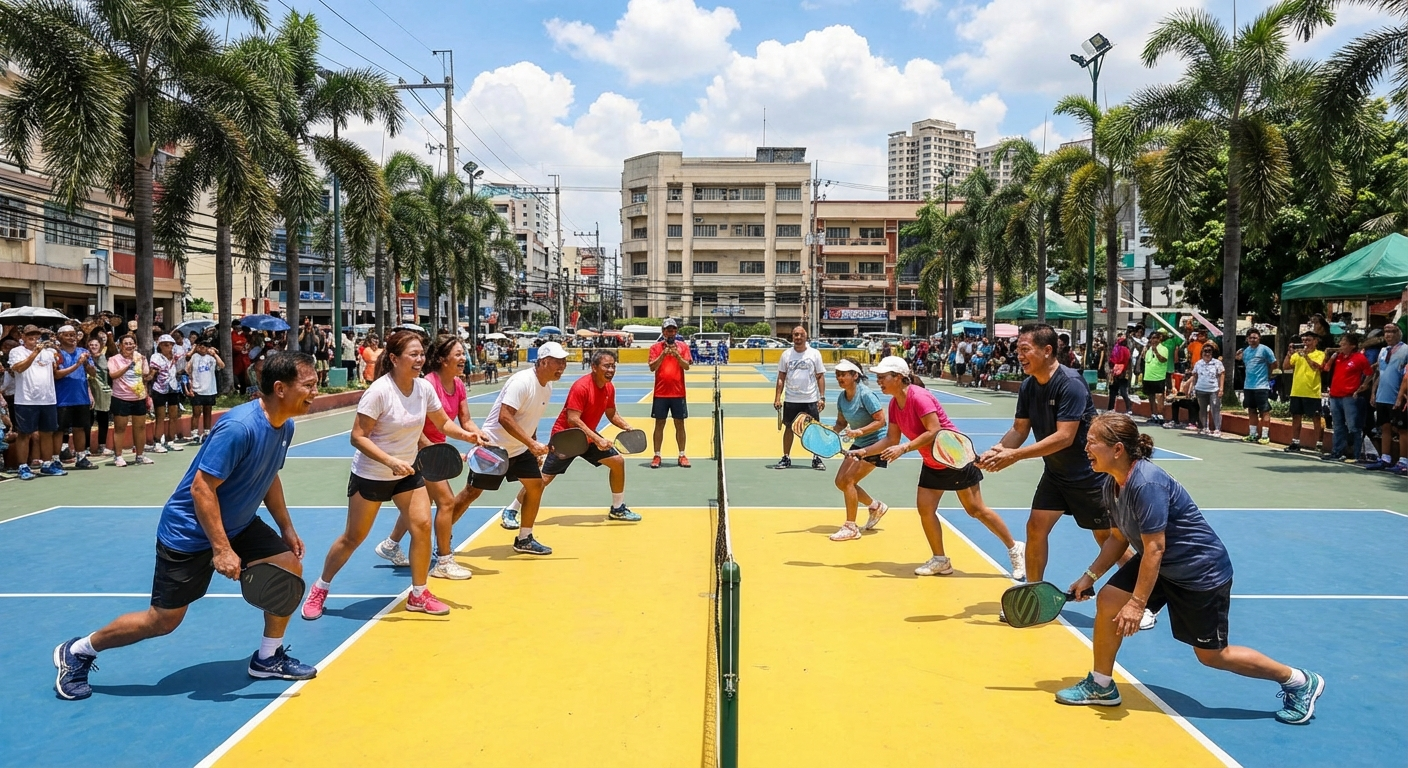
The increasingly popular paddle sport, pickleball, is rapidly gaining traction across the Philippines, with a dedicated national federation spearheading initiatives for its structured growth. This burgeoning interest positions the country not only as a new hub for the sport but also opens up a fresh array of possibilities for Filipinos, whether residing in their homeland or working as overseas professionals. The movement aims to formalize the sport's presence, from grassroots participation to competitive play, echoing a broader global trend in pickleball's rise. While specific figures on participant numbers are still emerging, the emphasis on "structured growth" by the Philippine federation signals a concerted effort to establish organized leagues, training programs, and potentially national tournaments. This systematic approach is crucial for any sport aiming for widespread adoption and sustained popularity. Pickleball, known for its blend of elements from tennis, badminton, and table tennis, offers a relatively low barrier to entry, making it appealing to a diverse demographic. Its accessible nature allows for quick learning, fostering social interaction and active lifestyles among players of all ages and skill levels. Why It Matters The surge in pickleball's popularity in the Philippines carries significant implications beyond the courts. For many Filipinos, especially those in urban centers, access to affordable and engaging recreational activities is vital for physical and mental well-being. Pickleball presents an excellent option, requiring less space and equipment than some traditional sports, potentially making it easier for communities to establish courts and programs. Economically, structured growth could translate into new opportunities. This might include demand for local coaches, facility managers, equipment retailers, and even potential sports tourism as the country hosts regional or international events. Furthermore, for Filipinos working abroad, the sport offers a familiar and accessible way to connect with communities in their host countries, build social networks, and maintain an active lifestyle, often in an environment that reminds them of home. What Filipinos Need to Know For Filipinos both at home and overseas, the rise of pickleball represents an exciting new frontier in sports. Aspiring athletes might find opportunities to represent the Philippines on an international stage as the sport gains global recognition. Communities, both within the Philippines and among Filipino diaspora groups, can look to pickleball as a tool for social cohesion, physical fitness, and even cultural exchange. Families could discover a new common interest, promoting intergenerational activity. Overseas Filipino Workers (OFWs) might find that pickleball clubs in their host countries provide a welcoming environment to meet new people, alleviate stress, and foster a sense of belonging far from home. As the Philippine federation continues to expand its reach, awareness of available programs and facilities will be key to maximizing the benefits of this rapidly growing sport for all Filipinos.
Topics:
