

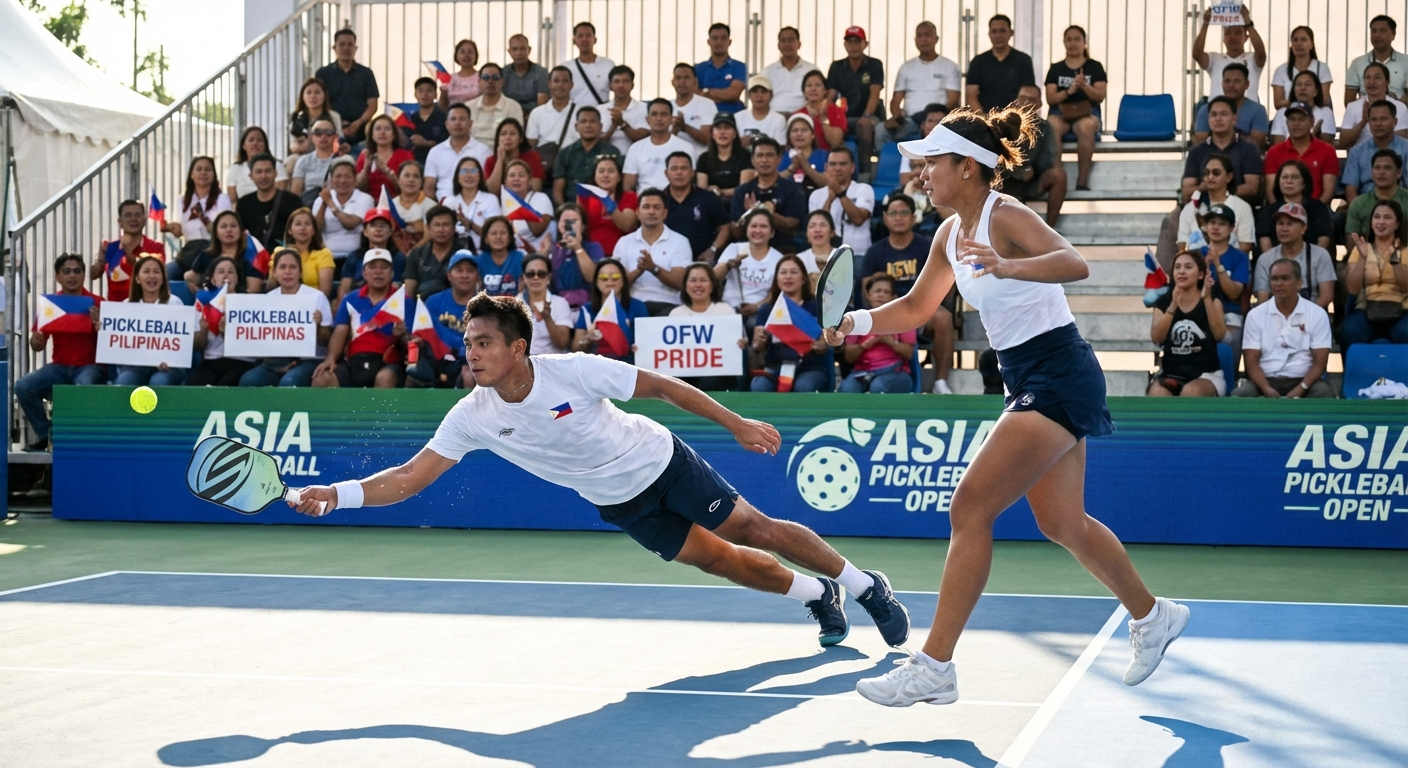
Franklin, a leading brand in the sports industry, has announced the second iteration of its Asia Pickleball Showcase, signaling a significant expansion for the rapidly growing sport across Southeast Asia. The latest showcase is set to include stops in Vietnam and Malaysia, building on the sport's increasing popularity and regional presence. This move highlights pickleball's emergence as a dynamic new sport captivating enthusiasts worldwide, and its strategic entry into key markets within the Association of Southeast Asian Nations (ASEAN) region. The expansion into Vietnam and Malaysia not only provides a platform for athletes and fans in these nations but also underscores a broader trend of sports diversification and development across Asia. As these events unfold, they naturally draw attention and participation from various communities, including the vibrant Filipino diaspora spread throughout Southeast Asia. For many Filipinos, both at home in the Philippines and those working as OFWs abroad, engaging with new sports trends like pickleball offers fresh avenues for leisure, fitness, and community connection. Why It Matters The growth of pickleball in Asia holds particular relevance for the Filipino community. In countries like Vietnam and Malaysia, where significant numbers of OFWs reside, the introduction of more sports events can provide much-needed opportunities for social interaction and stress relief. Beyond individual participation, the development of new sports landscapes can spur local economies through sports tourism, event management, and related services, potentially creating indirect opportunities for entrepreneurs and service providers, including Filipinos living or working in these host countries. While specific details on job creation from these showcases are not yet available, the long-term growth of any sport often translates into a demand for coaches, facilities, and event staff. What Filipinos Need to Know Filipinos globally, especially those residing in Southeast Asia, should note the expanding footprint of sports like pickleball. This trend not only offers a new recreational outlet but also contributes to the rich tapestry of cultural and social activities available in their host countries. For those keen on sports or community building, these showcases present an opportunity to engage, support, or even participate. The growing regional interest in pickleball could also inspire further development within the Philippines, potentially leading to more local tournaments, clubs, and training programs, fostering national pride and active lifestyles across the archipelago.
Topics:
