
Advertisement Space
300x600 Leaderboard Ad
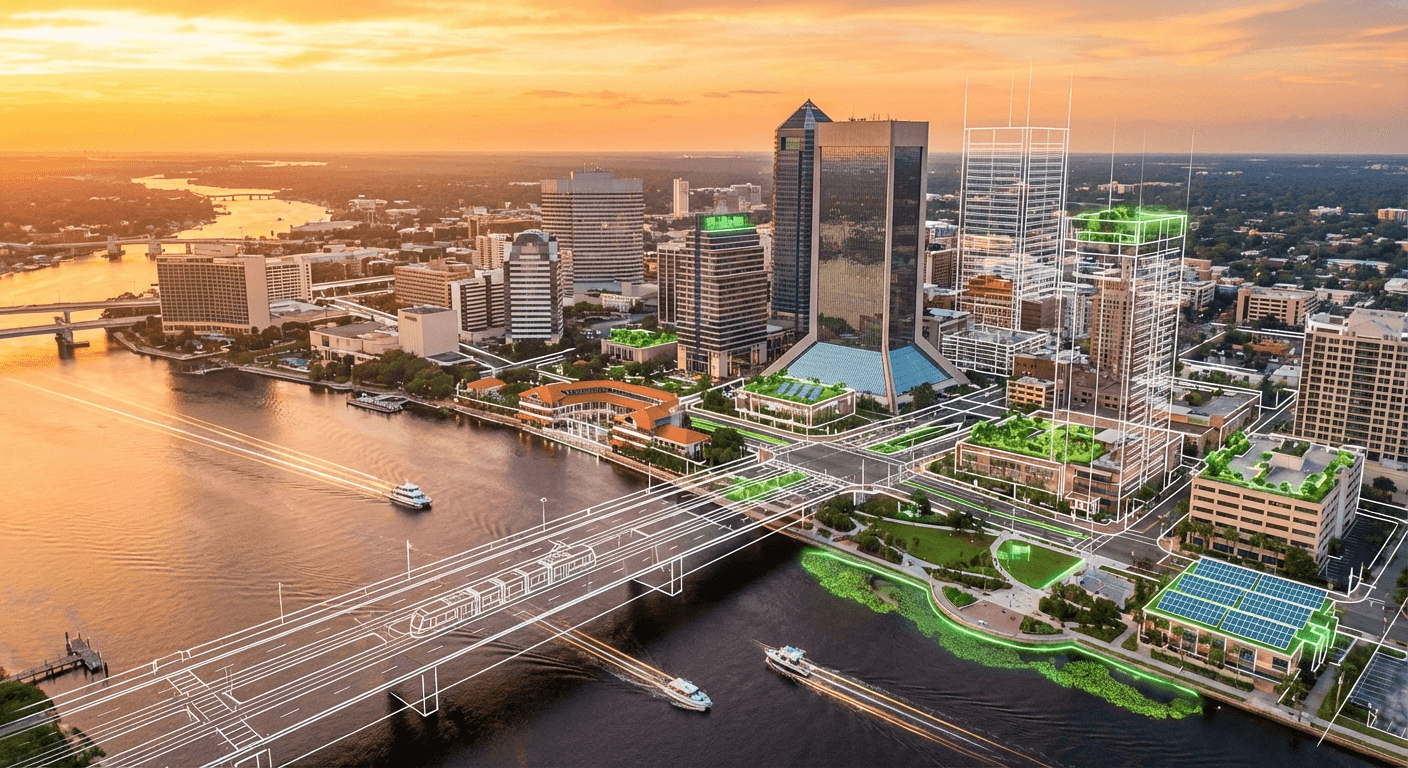
Jacksonville, Florida, is grappling with how its street design impacts its burgeoning economy. A growing consensus among urban planners and business leaders suggests that prioritizing pedestrian-friendly and multi-modal transportation options is crucial for sustained economic growth. The current infrastructure, largely designed around vehicular traffic, poses challenges to accessibility and hinders the development of vibrant commercial districts. Experts argue that redesigning streets to accommodate cyclists, pedestrians, and public transportation can unlock significant economic potential. Such changes could attract businesses, encourage tourism, and improve the overall quality of life for residents, fostering a more dynamic and attractive environment for investment. Specifically, proponents point to the potential for increased foot traffic in commercial areas, leading to higher revenues for local businesses. Improved walkability also makes Jacksonville more attractive to younger professionals and skilled workers who often prioritize access to amenities and alternative transportation options. Furthermore, a shift towards more sustainable transportation models can reduce traffic congestion, lower transportation costs for residents, and contribute to a cleaner environment, all of which enhance the city's appeal. While the transition to a more people-centered street design requires significant investment and careful planning, many believe that the long-term economic benefits far outweigh the initial costs. The ongoing debate underscores the critical role of urban planning in shaping Jacksonville's economic future and ensuring its continued growth in a competitive global market. Jacksonville city officials are currently reviewing proposals and considering pilot projects to test and implement these innovative street design concepts.
Topics: