


The government is actively shopping for new suppliers. President Marcos confirmed the Philippines is in talks with countries it doesn’t normally buy oil from, trying to spread the risk so one conflict doesn’t paralyze the whole system. The most concrete deal on the table? Abu Dhabi’s state-owned oil company, ADNOC, is discussing a long-term supply agreement and even scouting locations in Subic or La Union for a strategic petroleum depot, basically a backup stockpile so the country isn’t living hand-to-mouth on fuel. This is happening under a new free trade deal with the UAE, which is the Philippines’ first trade pact with a Middle Eastern country.
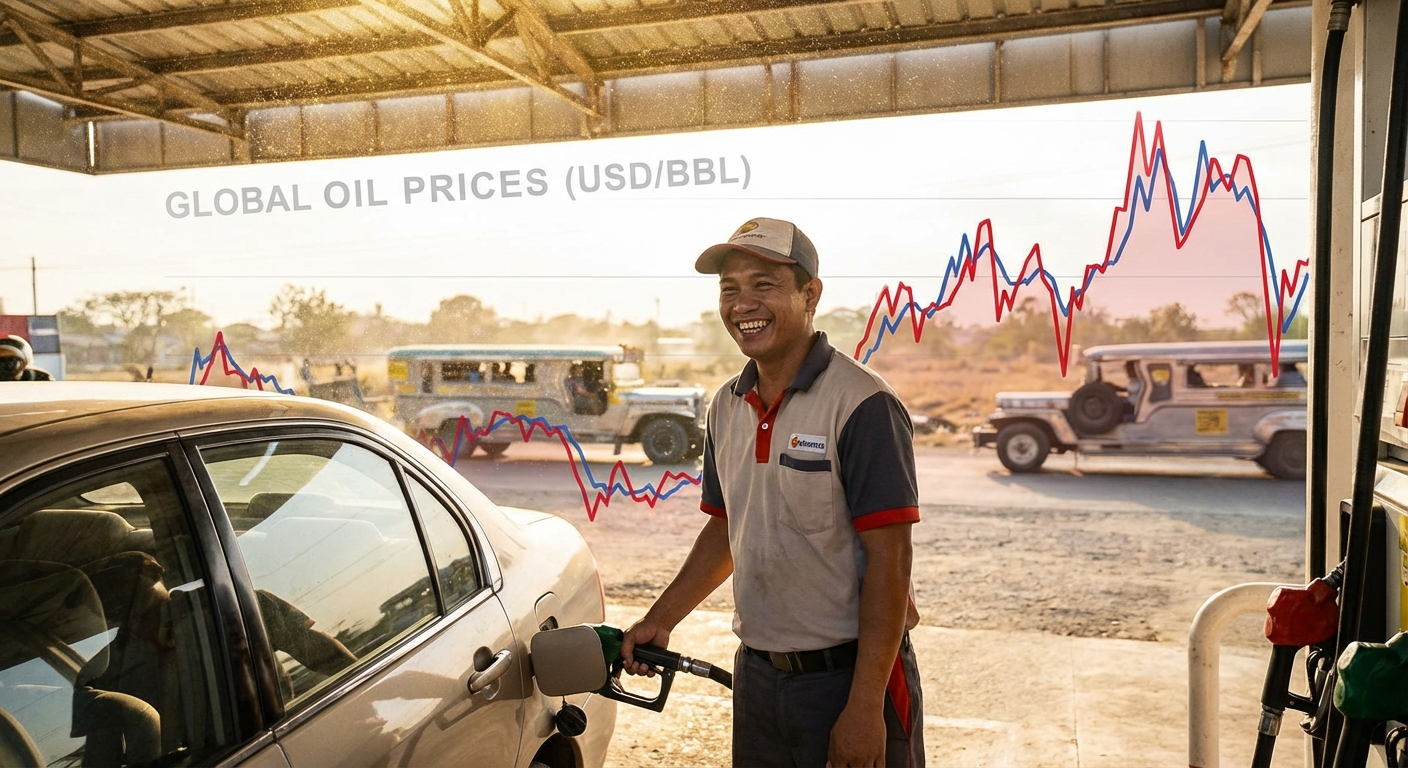
Why now? Because the Middle East is on edge again. Recent escalations between the US and Iran have put the Strait of Hormuz in the spotlight. Roughly 20% of the world’s oil passes through that narrow channel. When Iran restricted traffic there recently, local oil firms jacked up prices by around ₱10 per liter for diesel, gasoline, and kerosene in a single week. Brent crude briefly shot past $100 a barrel. And since the Philippines imports 95% to 99% of its oil, global hiccups become local emergencies almost instantly.
For OFWs and their families, it’s a double squeeze. First, higher fuel prices in host countries like Saudi Arabia and the UAE mean OFWs have less money left to send home. Second, back in the Philippines, the same price spikes drive up transportation and food costs, so the remittances that do arrive don’t stretch as far. Economists call it a “double whammy”—disruptions in the Gulf don’t just threaten oil supply, they threaten the income source for millions of Filipino households. The Bangko Sentral estimates OFWs in the Middle East send back roughly ₱600 billion yearly, over a quarter of total remittances.
The government is trying to soften the blow. Senators are pushing to release fuel subsidies for jeepney drivers, farmers, and fisherfolk without waiting for the usual $80-per-barrel trigger. President Marcos has also certified as urgent a bill that would let him temporarily suspend or reduce excise taxes on fuel during emergencies. Some agencies have shifted to four-day workweeks to cut costs. But economists warn that blanket tax suspensions mostly benefit the rich, who own multiple cars, and that targeted cash aid for vulnerable families might be smarter.
Long term, experts say the Philippines needs to stop just reacting and start planning. That means electrifying public transport, expanding rail, developing geothermal and solar, and building a strategic petroleum reserve so the country isn’t caught empty-handed every time tensions flare . But those fixes take years. Right now, families are doing the math at the pump.
Topics: