

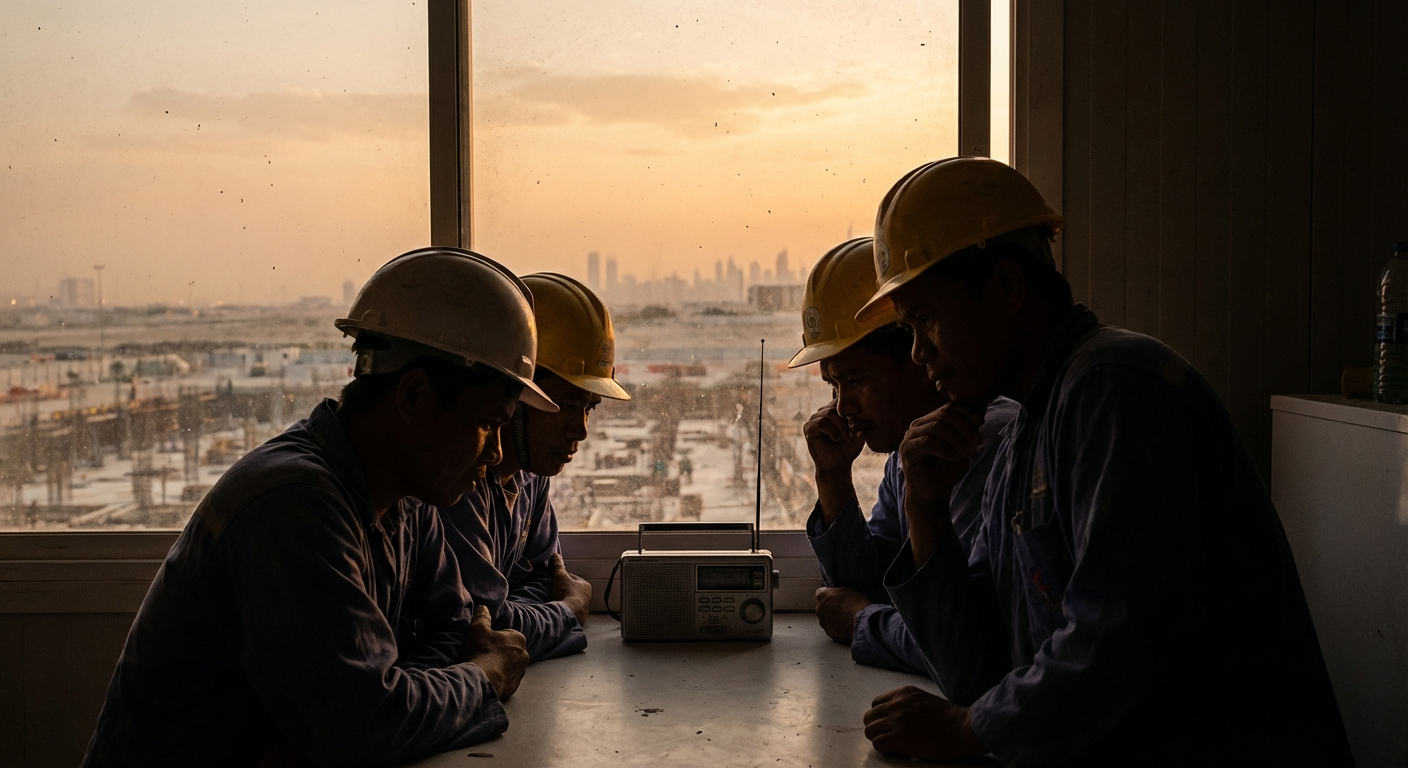
The Philippine government has placed Filipinos in the Middle East on full alert, following increasing tensions in the region. This directive, issued by the Department of Foreign Affairs, advises Filipino workers (OFWs) to exercise heightened caution and restrict their movement to essential activities only. The announcement underscores the potential risks to the large Filipino population working in the Middle East, particularly those in countries closer to areas of conflict. The "full alert" status signals a proactive measure to ensure the safety and security of Filipino citizens amidst the volatile geopolitical climate. While the specific details of potential threats remain unconfirmed, the Philippine government is urging OFWs to remain vigilant, monitor local news, and adhere to advisories issued by Philippine embassies and consulates. This preemptive action aims to minimize potential exposure to harm and facilitate a swift response should the situation escalate. Why It Matters The Middle East hosts a significant number of Filipino workers, many of whom are crucial breadwinners for their families back in the Philippines. Any disruption to their employment or, more seriously, any threat to their safety, has far-reaching economic and social consequences for the Philippines. Remittances from OFWs in the Middle East contribute substantially to the Philippine economy. A prolonged period of instability could impact these remittances, affecting families and the national economy. What Filipinos Need to Know Filipinos in the Middle East should register with the Philippine embassy or consulate in their respective countries. They should also keep their families informed of their whereabouts and remain in close contact with relevant authorities. It's crucial to avoid areas of potential unrest and follow all safety guidelines issued by local governments and Philippine representatives. Staying informed and prepared is the best way to navigate this uncertain situation.
Topics:
