


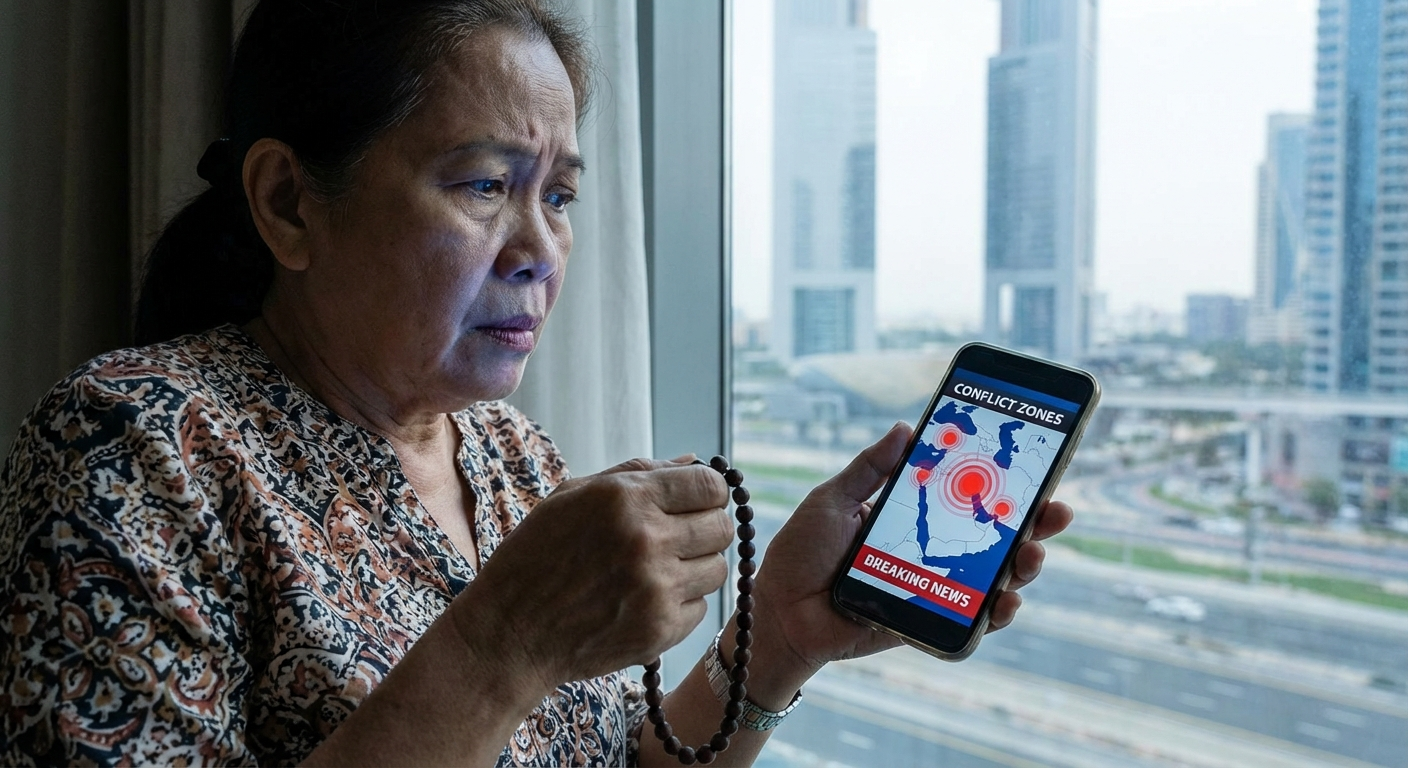
The Philippine government is actively developing contingency plans in anticipation of a possible wider conflict in the Middle East. The move comes amid escalating tensions in the region, raising concerns about the safety and well-being of the large population of Filipinos working and residing there. The primary objective of these plans is to ensure the swift and safe repatriation of OFWs should conditions deteriorate. The plans address logistical challenges involved in bringing Filipinos home from various Middle Eastern countries, including potential airlifts, embassy support, and coordination with international partners. These strategies are not new, but are being updated in response to current risks. The Philippines has a long history of dealing with unrest in the region and is drawing from past experiences. Why It Matters The Middle East is a crucial source of employment for Filipinos, with hundreds of thousands working in various sectors, from healthcare to construction. Any major conflict could lead to widespread displacement and economic hardship for these workers and their families back home in the Philippines, who rely heavily on remittances. A significant drop in remittances could negatively affect the Philippine economy. What Filipinos Need to Know It's crucial for Filipinos in the Middle East to register with the Philippine Embassy or Consulate in their respective countries. This will enable the government to contact and assist them more efficiently in case of emergency. Stay informed about developments in the region, heed any warnings or advisories issued by the Philippine government, and ensure that travel documents are up to date. Families in the Philippines should also prepare for potential disruptions in communication and remittances, and stay in close contact with their loved ones abroad.
Topics: