


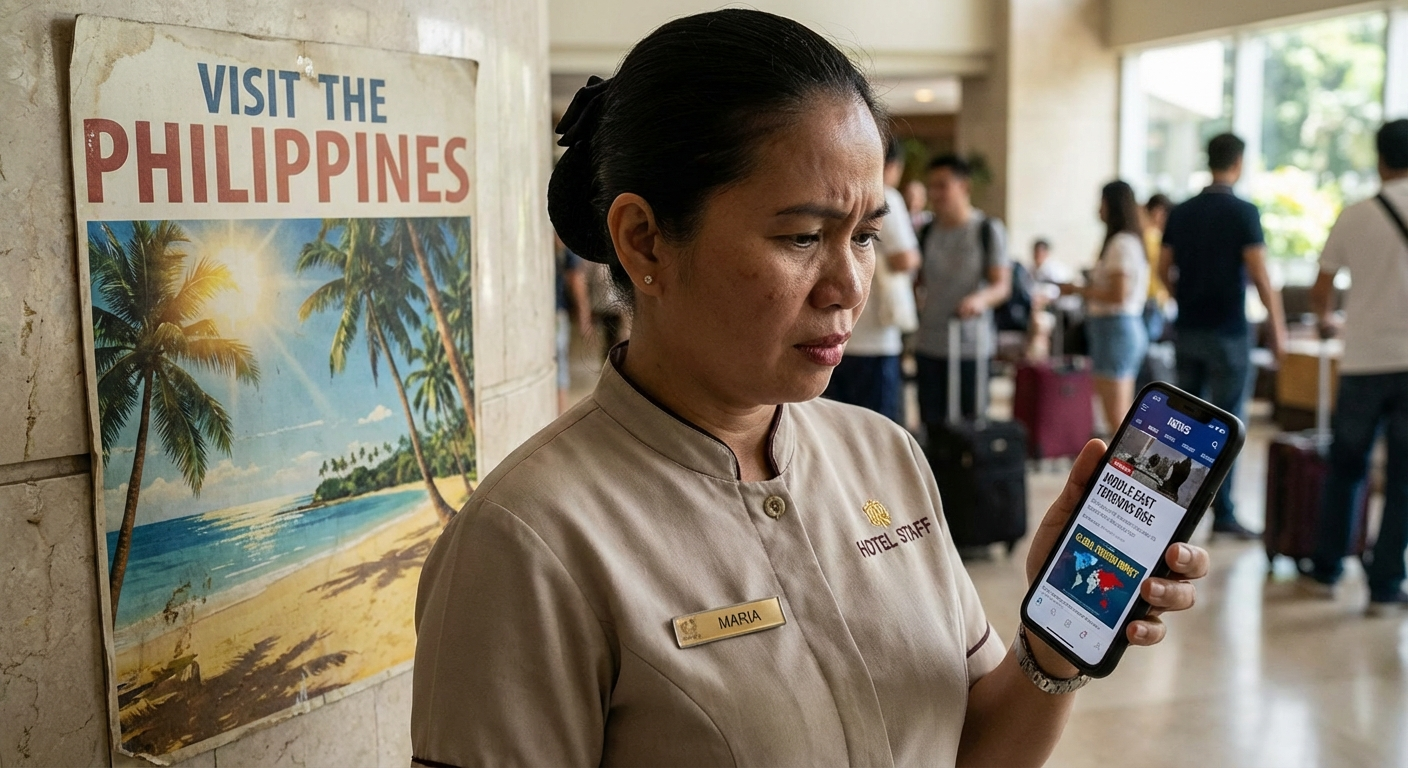
The Philippines, alongside Thailand and Vietnam, is joining Japan, South Korea, India, and South Africa in an emergency response to the global tourism and hospitality crisis spurred by the ongoing conflict in the Middle East. This coordinated effort seeks to address the potential economic fallout and ensure the stability of the tourism sector. The announcement comes as concerns rise about travel disruptions and decreased international travel demand. The collective action aims to safeguard tourism-related jobs and businesses, which are significant contributors to the Philippine economy. With a large number of Filipinos employed in the tourism and hospitality industries, both domestically and abroad as OFWs, the potential impact of the Middle East conflict is a serious concern. The response seeks to minimize disruptions and support the industry during this turbulent period. Why It Matters The tourism sector is a crucial economic driver for the Philippines. Any significant downturn can have ripple effects across various sectors, impacting employment rates and the overall financial stability of Filipino families. The collaborative effort between these nations signifies the global recognition of the interconnectedness of the tourism industry and the need for proactive measures to mitigate potential crises. What Filipinos Need to Know Filipinos working in or relying on the tourism industry should stay informed about travel advisories and industry updates. The Philippine government is expected to release further details regarding specific measures being taken to support the sector and protect Filipino workers. OFWs in the tourism and hospitality sectors should also monitor announcements from their host countries and employers regarding any potential impact on their employment.
Topics: