

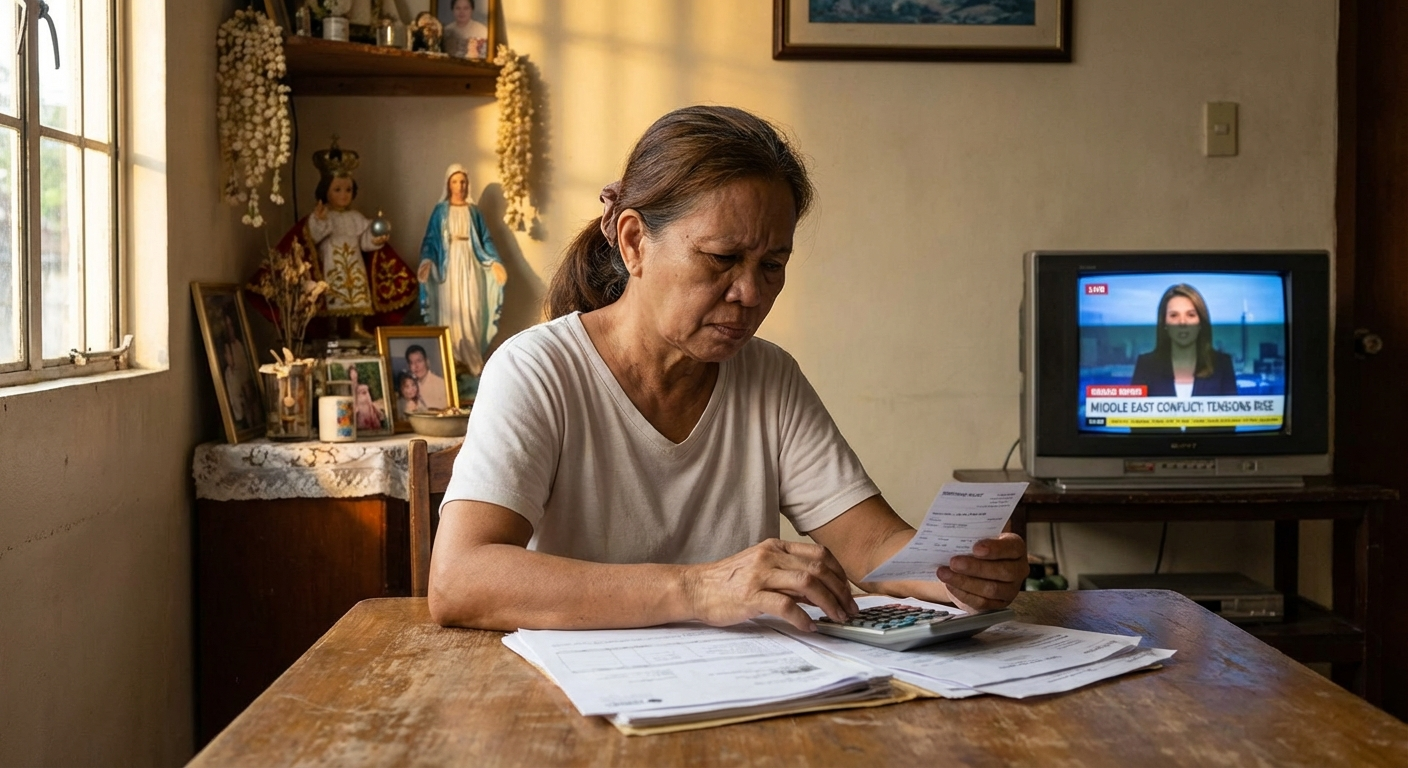
The escalating conflict in the Middle East presents a complex challenge to the Philippines, particularly impacting the flow of remittances from Overseas Filipino Workers (OFWs) and the overall economic stability of the nation. The Rappler report highlights the potential economic repercussions ranging from manageable adjustments to severe downturns depending on the conflict's trajectory. The initial focus is how a prolonged or expanded conflict would drastically affect oil prices and global economic activity, ultimately impacting the livelihoods of countless Filipino families dependent on remittances. A surge in oil prices, triggered by instability in the Middle East, directly translates to higher costs for transportation, food, and other essential goods in the Philippines. This inflationary pressure can erode the purchasing power of remittances, effectively reducing the amount of support OFWs can provide to their families back home. Beyond oil prices, a broader economic slowdown in the Middle East could lead to job losses for Filipinos working in the region, further diminishing remittance flows. Why It Matters The Philippines heavily relies on remittances from its OFWs. These financial inflows contribute significantly to the country's GDP and serve as a crucial safety net for millions of Filipino families. A disruption in remittance flows due to conflict in the Middle East could trigger economic hardship, increased poverty, and social unrest. It's essential to understand potential economic ramifications and how the Philippine government plans to support those who may be affected. What Filipinos Need to Know Filipinos, especially families dependent on remittances from the Middle East, should stay informed about the unfolding situation and its potential economic consequences. Consider diversifying income sources, building emergency savings, and exploring financial literacy programs to navigate potential economic challenges. The Philippine government may implement support measures, so stay updated on available assistance programs.
Topics:
