


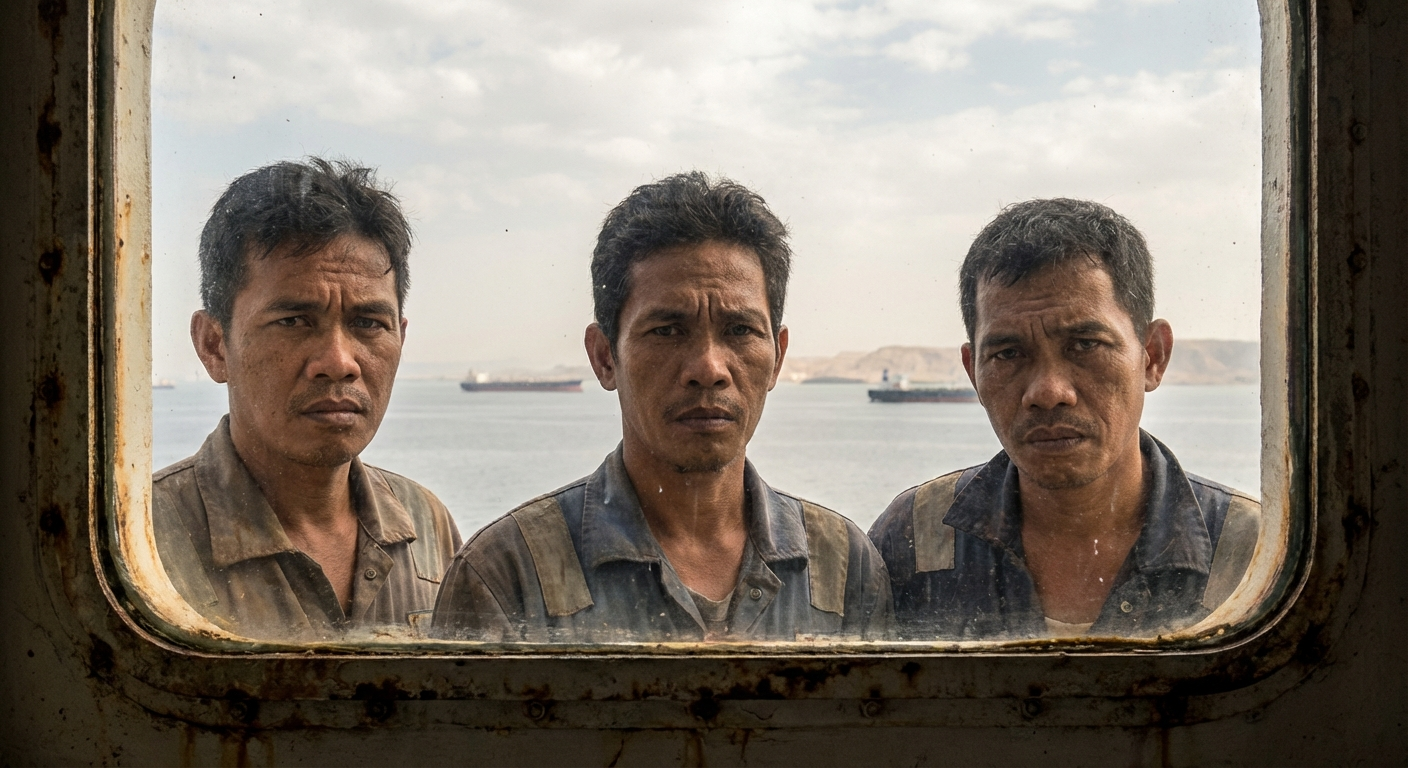
The Hormuz Strait, a critical waterway in the Middle East, has become a source of anxiety for Filipino families as their loved ones, working as seafarers, find themselves stranded amidst geopolitical tensions. Reports indicate that Philippine sailors are experiencing both fear and boredom as they remain stuck in the strait, awaiting passage. The situation underscores the vulnerability of Filipinos working overseas, particularly in regions prone to conflict and instability. While the specific number of Filipino sailors affected remains unclear, the news serves as a stark reminder of the risks faced by OFWs who contribute significantly to the Philippine economy through remittances. The extended delays and uncertainty surrounding their situation can take a heavy toll on their mental and emotional well-being, as well as that of their families back in the Philippines. Why It Matters The Hormuz Strait is a vital shipping lane for oil and other commodities, making it a strategic location with a history of maritime incidents. Any disruption in this area can have significant repercussions for global trade and the safety of seafarers passing through. For Filipinos, whose economy relies heavily on OFW remittances, the safety and security of seafarers are paramount. Protracted delays and potential dangers in the Hormuz Strait can impact not only the well-being of individual seafarers but also the flow of remittances back to the Philippines. What Filipinos Need to Know Filipinos with family members working as seafarers in the Middle East should stay informed about the situation in the Hormuz Strait and other potentially dangerous maritime zones. The Philippine government, through its embassies and consulates, should provide timely updates and assistance to affected seafarers and their families. OFWs should also be aware of their rights and the resources available to them in case of emergencies, including access to legal and psychological support. Families should ensure open communication lines with their relatives abroad and prioritize mental health during this stressful time.
Topics: