

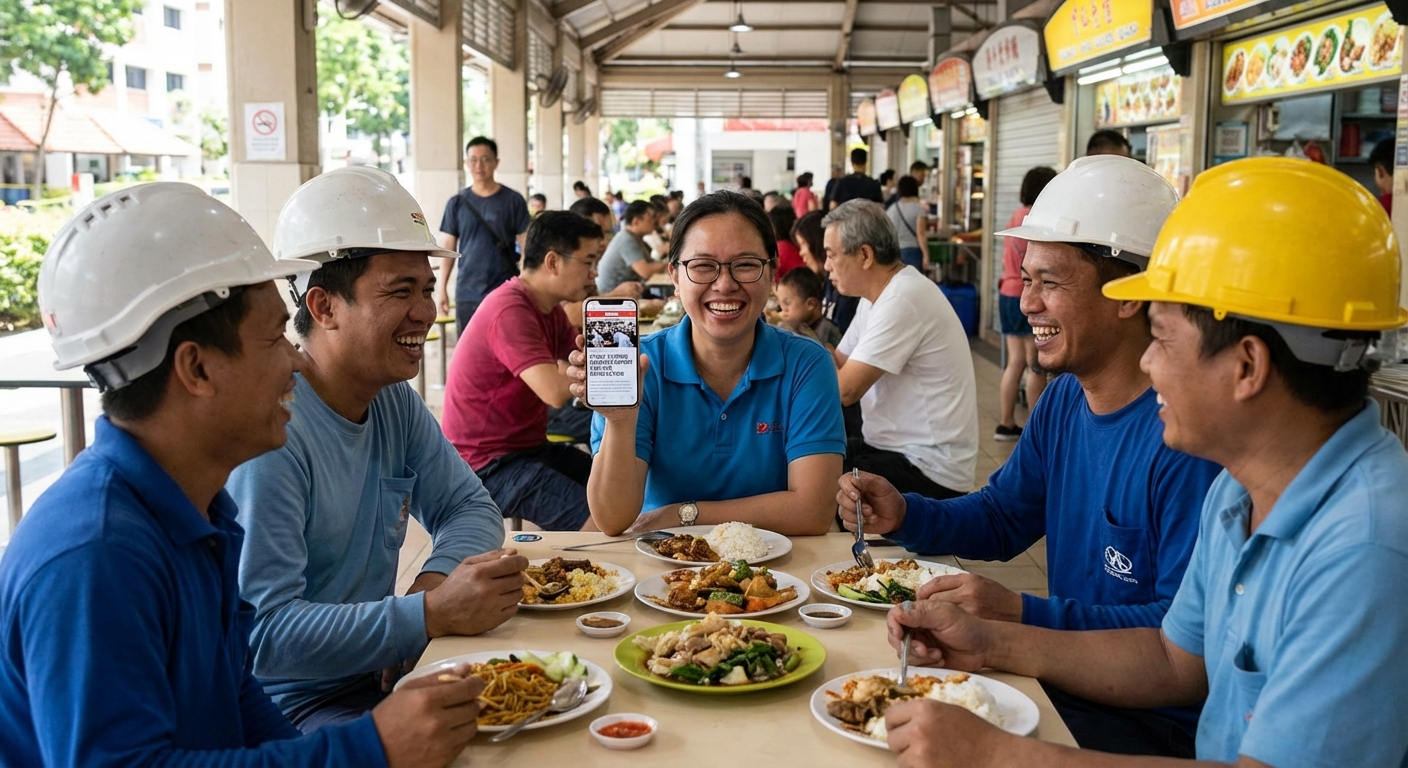
A new report highlighting workplace happiness in the Asia-Pacific region has revealed a concerning trend: Singaporean workers are lagging behind their ASEAN neighbors. While the exact details of the study and its methodology are not provided in the source, the implications for the large Filipino workforce in Singapore are significant. The original report comes from VnExpress International, a Vietnamese news source. For Filipinos working as OFWs in Singapore, often taking on demanding roles to provide for their families back home in the Philippines, this news should prompt a crucial self-assessment. Are you truly happy at your job? Are the high salaries worth the potential cost to your well-being and job satisfaction? Many Filipinos seek employment in Singapore for better economic opportunities. However, this report suggests a potential trade-off between financial gain and overall job satisfaction. Why It Matters This report highlights a critical issue for OFWs: the importance of prioritizing mental and emotional well-being alongside financial stability. If Singaporean workers are experiencing low levels of workplace happiness, it is vital for Filipinos to reflect on their own experiences and identify any potential areas of concern. This could include factors like work-life balance, company culture, opportunities for growth, and fair treatment. The economic impact could manifest in decreased productivity, higher turnover rates, and ultimately, a less competitive workforce. What Filipinos Need to Know Filipinos in Singapore should take steps to evaluate their own job satisfaction. This includes openly communicating with employers about concerns, seeking support networks within the Filipino community, and actively pursuing opportunities for personal and professional development. It is crucial to remember that a fulfilling work life contributes significantly to overall well-being. Don't hesitate to explore alternative employment options if your current job is negatively impacting your happiness and mental health. Returning to the Philippines and utilizing learned skills is also a viable consideration.
Topics:
